

How to tell if your panel needs upgrading
Most failures aren't bad wiring — they're missing docs and overloaded subpanels. Here's what inspectors flag first, and how to pass on the first try.
After fifteen years of running commercial projects, we've watched buildings fail inspection for the same handful of reasons over and over again. The wiring is almost never the problem. The problem is usually paperwork, panel capacity, or work that someone "grandfathered in" five renovations ago.
If you own, manage, or operate a commercial property, this is the short list of things that will trip up your next inspection — and what you can do about each one before the inspector shows up.
Missing or incomplete documentation
This is the single most common reason a commercial building fails inspection. Not a bad wire. Not a faulty breaker. A missing piece of paper.
Inspectors need to see permits for every modification made to the electrical system, plus updated drawings, load calculations, and (in many jurisdictions) a current single-line diagram. When previous contractors did work without permits — or with permits that were never closed out — that history doesn't disappear. It surfaces during inspection, and your building gets flagged.
What to check before inspection day: Pull every permit on file with your local building department. Compare them against the current state of the electrical system. If anything has been added, moved, or upgraded without a corresponding permit, you have a paperwork problem to solve before the inspector arrives.
Overloaded subpanels
Most commercial buildings start their life with a clean main panel and a modest tenant load. Then a tenant adds a server room. Another tenant installs a commercial kitchen. The HVAC gets upgraded. A subpanel gets added — sometimes legally, sometimes not.
Five years later, the subpanel is at 95% capacity, breakers are double-tapped, and someone has installed tandem breakers in slots that aren't rated for them. That's an inspection failure on the spot — and a real fire risk.
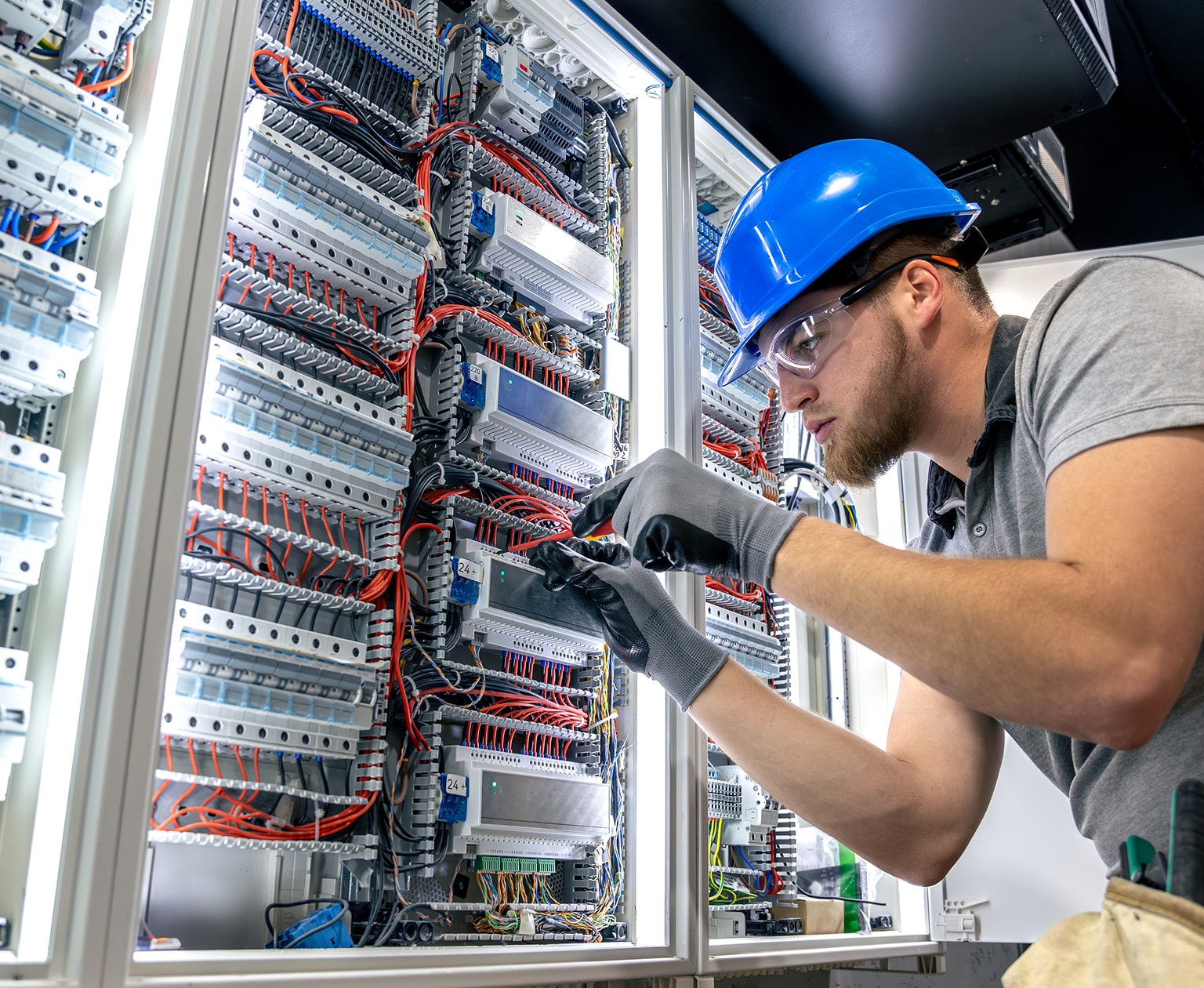
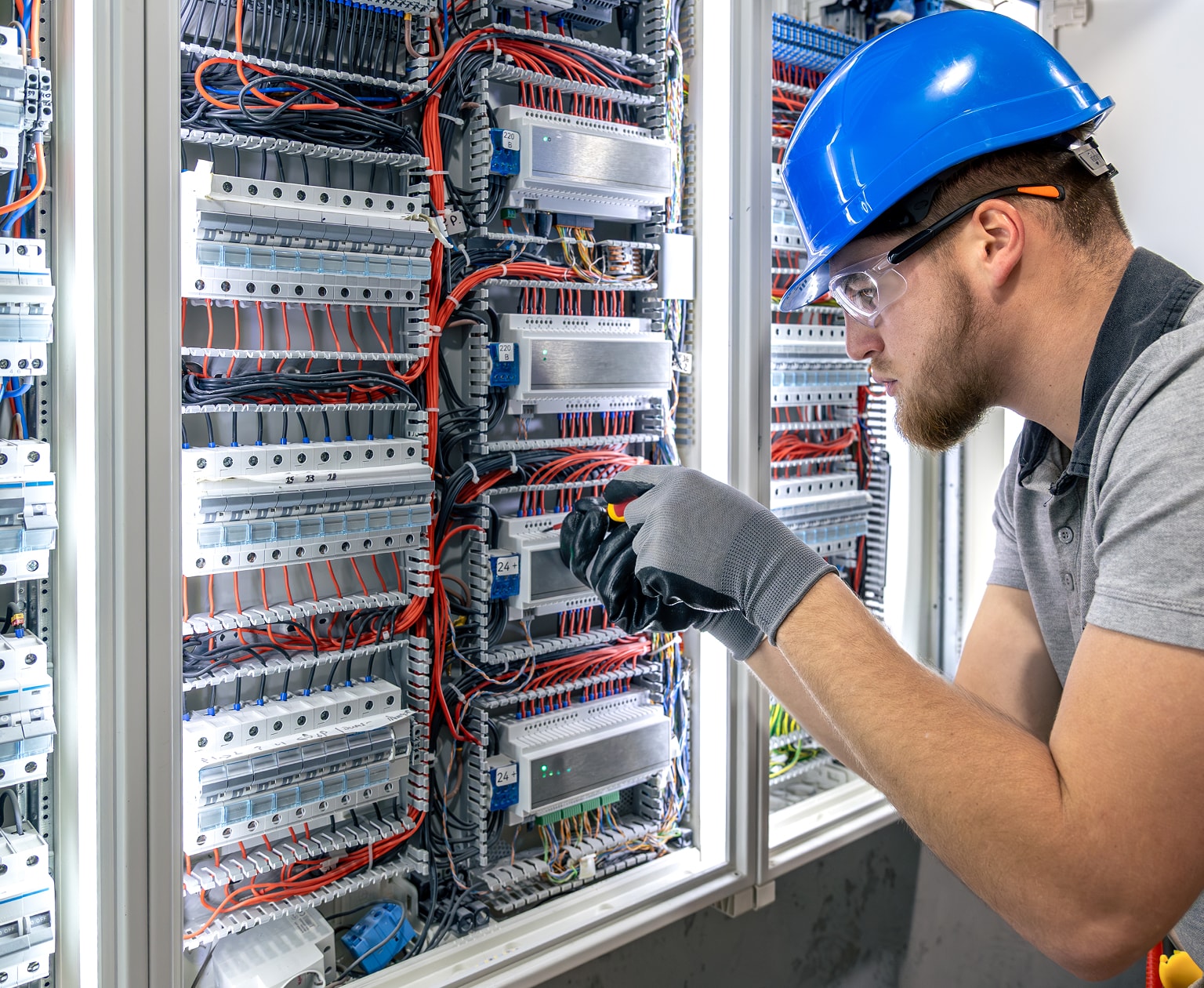
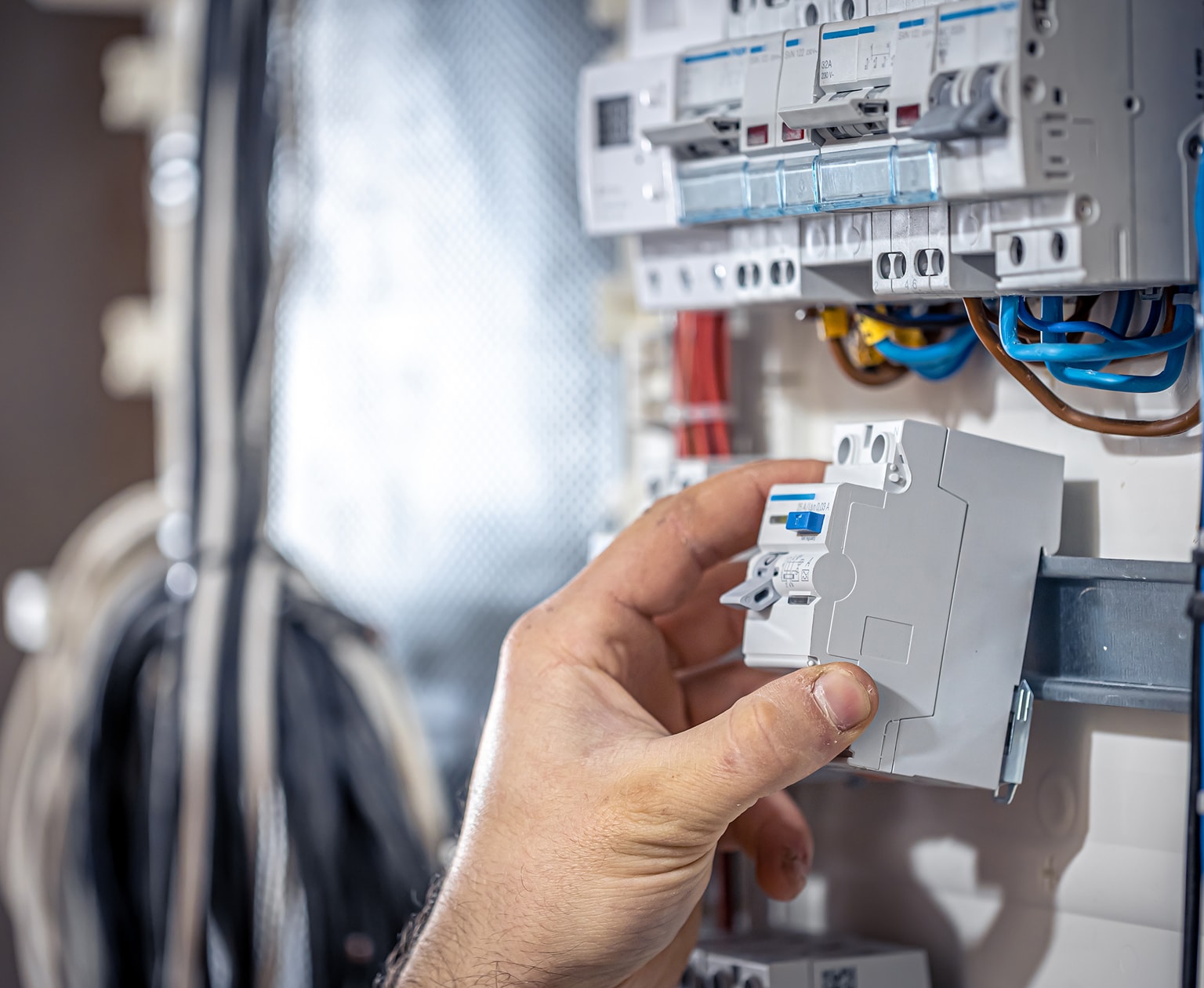
What to check: Open every subpanel. Look for double-tapped breakers (two wires under one screw), tandem breakers in non-rated slots, missing breaker labels, and any sign of heat damage on the bus bars or breakers. If your subpanel shows any of these, you need a load study before inspection.
Improper grounding and bonding
Grounding is the silent killer of commercial inspections. The wires are usually there. They're just not where they should be — or they're missing the bonding jumpers that tie everything together into a single, low-impedance path back to ground.
Common problems we find: missing ground rods, gas line bonding never completed, water pipe bonding lost when the building was repiped in copper-to-PEX, separate ground systems that should have been bonded together. None of these prevent the building from working day-to-day. All of them prevent it from passing inspection.
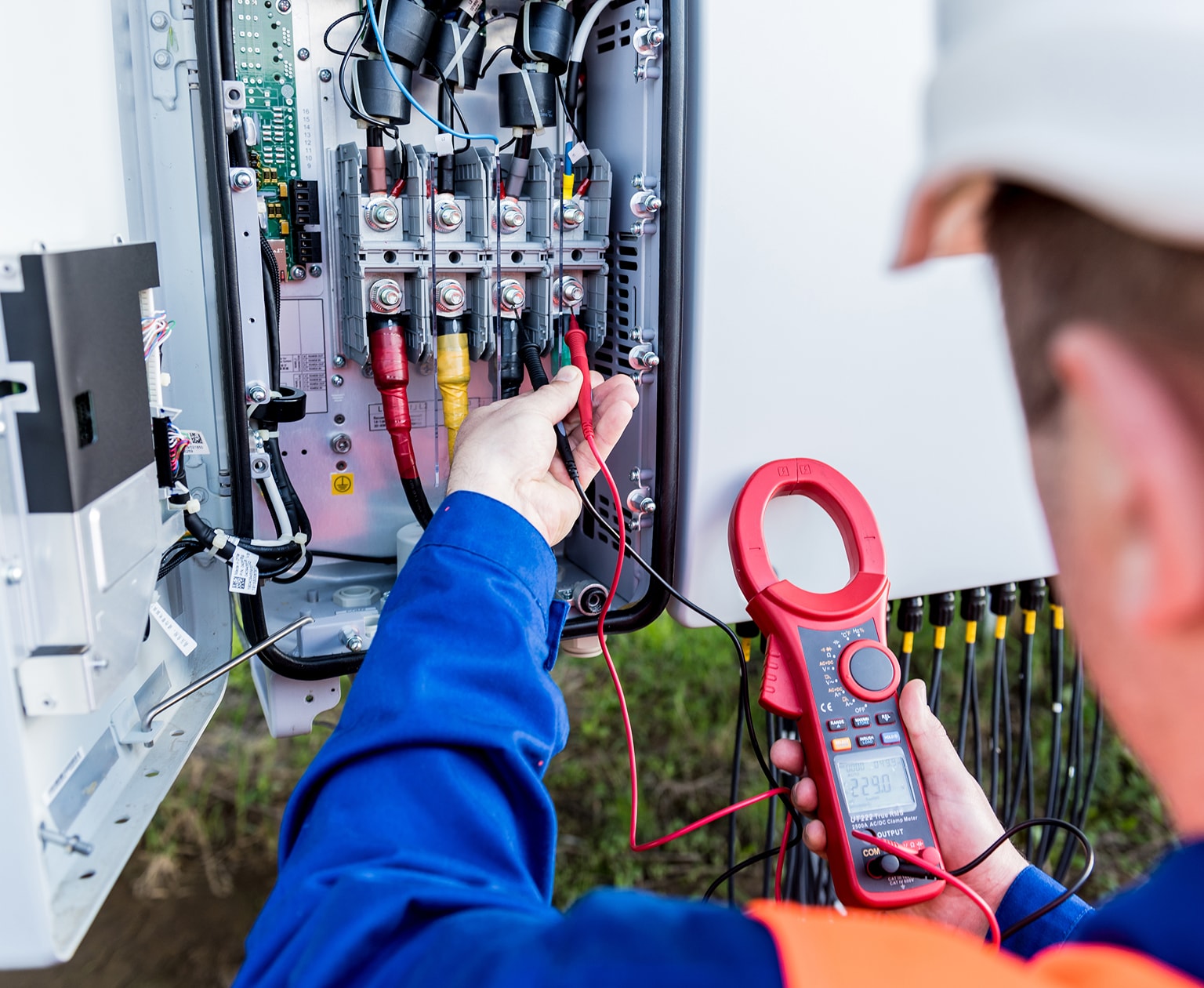
What to check: Have a licensed electrician verify the grounding electrode system before inspection. This is one of the things that's almost impossible to spot from the outside — and almost always wrong in buildings older than 25 years.
The takeaway
If you own or manage a commercial building and inspection day makes you nervous, that's the problem. Inspection day shouldn't be a surprise. It should be a confirmation of work you already know is right.
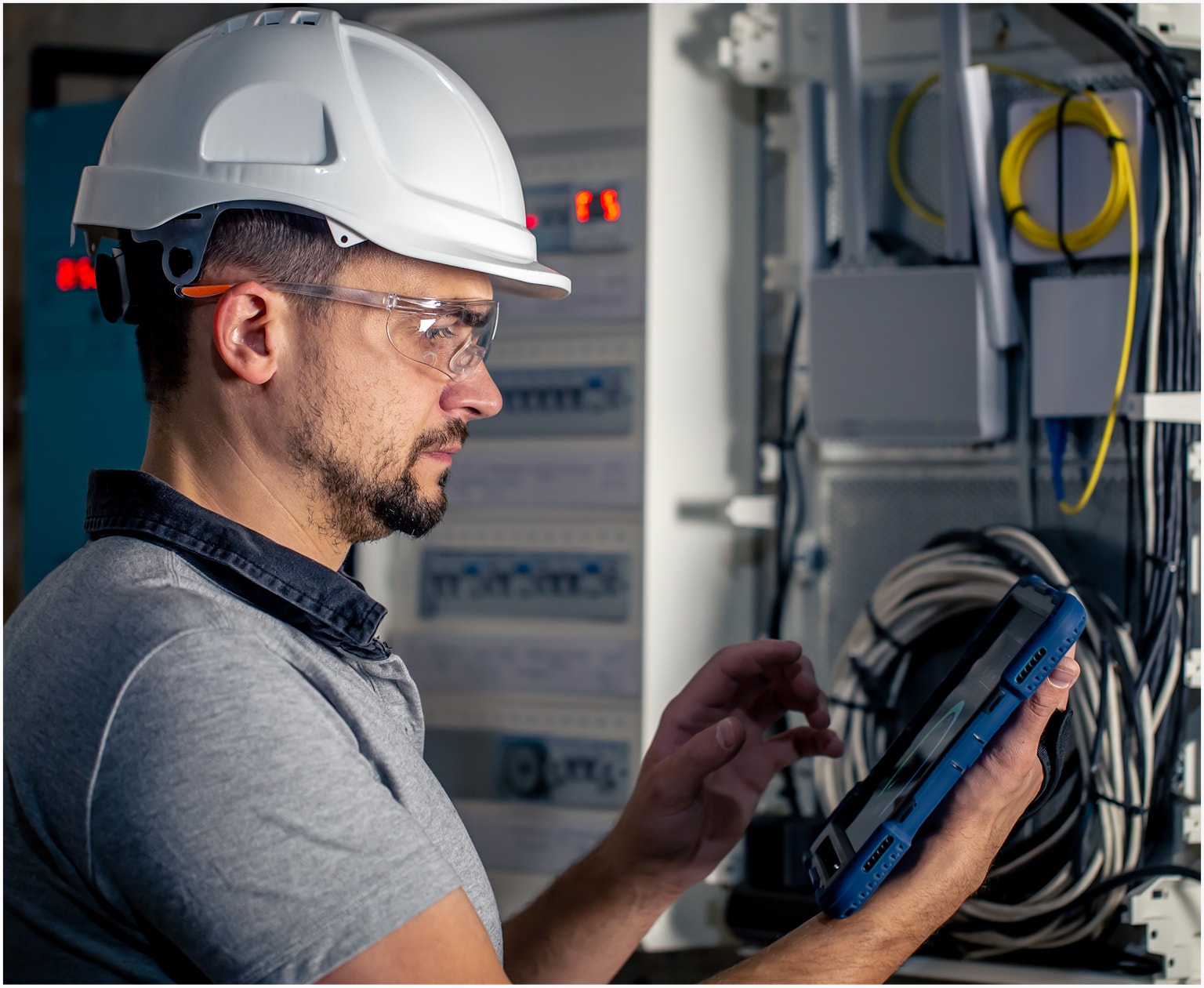
A licensed electrician should be able to walk your building, audit your documentation, and tell you within a few hours exactly what will pass and what won't. If your current contractor can't — or won't — do that, find one who will.